According to the Chief Marketing Officer's survey data, it is apparent that mobile marketing is more important today than it's ever been. The average consumer in the US spends about three and a half hours on a mobile device, with projections increasing this usage to well over 4 hours a day in the next year or so.
In fact, Apple and Google actually introduced features on their mobile devices designed to help people monitor and restrict the amount of time that they spend on their mobile devices. It didn't work. Data shows that the amount of time people spend on mobile devices continues to increase.
Unlike the relatively "stationary" customer of a few years ago, your customers, today, are exceptionally "mobile". This mobility makes your job of delivering your marketing messages in a timely and consistent manner a much more significant challenge than it's ever been before.
Some of the most significant challenges that marketers are facing when it comes to mobile marketing are:
-
Lack Of Integrated Strategy
Historically, if a company had a mobile marketing strategy, it was a stand-alone strategy outside of their marketing strategy, and in many cases, it was even outside of their digital marketing strategy.
With the customer journey being what it is today, no longer can any business realize marketing success with non-integrated strategies.
-
Lack of optimization for mobile
For years, we've been talking about mobile-friendly importance. If your website isn't built with a responsive design, it is time to change your website.
A responsive website will scale the content of a page to the device that a user is using. With a responsive design, your website will adjust to the device's screen size, whether that is a phone, tablet, or desktop, without any degradation in the user's experience with that site.
It's not just us promoting responsive design, Google has been recommending this form of website design for years, and they have implied that it is essential when it comes to SEO ranking.
-
Lack of appropriate budget
This challenge is most often found where marketing strategies are not integrated. Most often, when a mobile marketing strategy is separate from all the rest of the marketing strategies of a business, or there isn't a specific focus on mobile marketing, budgets aren't reflective of a true mobile marketing effort.
-
Lack of meaningful analytics
The lack of meaningful mobile marketing analytics is found most often in companies that don't have a focused approach to mobile marketing, don't have a strategy that includes mobile marketing, and don't have a dedicated budget for mobile marketing.
By focusing on mobile marketing, you'll be able to identify the goals and, consequently, the important metrics for obtaining your mobile marketing goals.
Why Isn't Mobile Getting More Attention?
You may be asking yourself, at this point, if mobile marketing is so important, why aren't more companies focusing on mobile marketing?
In a word, "change". Based on what we've seen, all too often, it's too difficult to get a company's management to change. We've seen the change challenge ever since this whole online marketing thing began.
Many businesses were slow to adapt to anything more than a brochure website. These same businesses were slow to adapt to search marketing, social media marketing, email marketing, and now mobile marketing.
We typically see three phases to this resistance to change:
-
Denial
This is when people refuse to believe that change is happening. They don't believe that the change they hear about will impact them or their company.
-
Bargaining
In the bargaining phase, a company's management may acknowledge that change is afoot, but they either don't think that the change will impact their company or that they have more time to change than they actually have.
-
Acceptance
This is when a company's leadership team finally accepts that "change" is impacting them, and it's now time to research how to adjust to this change. For companies that struggle with resistance to change, this acceptance phase generally comes too late, and much damage has already been done to the company.
If you see your company or yourself in the above phases of denial, it's not too late for you to capitalize on the benefits of mobile marketing; however, you will be playing catch-up to many companies within your industry.
Where To Start With Mobile Marketing
It's a little late to get started with mobile marketing, but it's better late than never. Rushing out and just doing stuff without a plan is never a good idea. That's 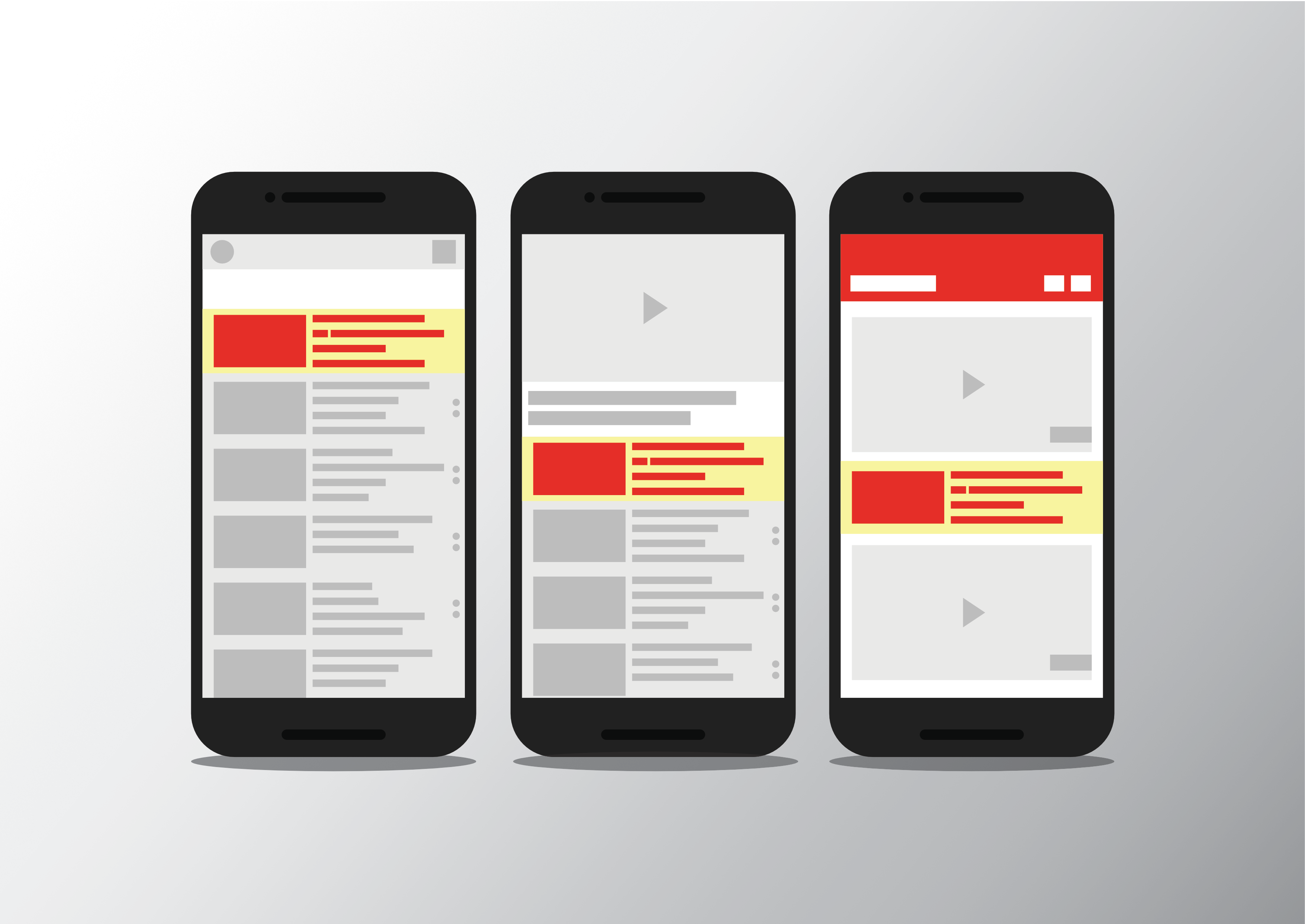 why the first step to using mobile marketing to grow your business is to develop a marketing plan that includes mobile channels.
-
Mobile Marketing Strategy
The first step in adjusting your marketing strategy to include mobile marketing is understanding how your customers use mobile devices. Your customers are unique, so how they are using mobile devices will be different if you're a B2B company vs. a B2C company and completely different if you are a nonprofit organization. However, it all comes down to being customer-centric
The first step will be to research how customers in your industry are using mobile devices to do business with companies just like your company. It's essential to understand at what stage of their buying journey are they using mobile devices as verse desktop computers.
Because mobile users are often on the move, "near-me" or location-based searches are an important component of your mobile marketing strategy. The importance of Local SEO has never been more important. Consider, according to Google:
-
- There has been a 500% increase in phrases like "near me" in mobile search queries that include a variant of "to buy" or "can I buy"
- There has been a 600% increase in mobile searches for "dress-related" "near me".
- There has been a 150% increase in mobile searches with the phrase "near me now".
-
Responsive Website
Your website has to provide the same user experience on a mobile device as it does on a desktop/laptop. A responsive website will adjust its layout to fit the device that the site is being viewed from.
Think about it this way. Average desktop monitor resolutions today are, on average, 1920 x 1080. The average screen resolution for phones is 414 x 896. Average tablets are 768 x 1024. A responsive designed website will display correctly across these different screen resolutions.
This is especially important when we realize that the customer's journey to researching your products and/or services will encompass a number of these different devices. In fact, a report from Optimizely found that the average customer journey will encompass six different channels and two different devices.
The user experience isn't the only reason to make sure that your website is responsive (though it is an excellent reason). The other reason to make sure your site is responsive is that Google has said that their preference for website design is that they be designed to be responsive.
Not sure if your website is mobile-friendly? You can check your site with Google's mobile-friendly test. Just enter your website's URL into the tool, and you'll receive a report telling you how well your site performs on a mobile device.
-
Mobile Optimized Email
According to Litmus, 41.6% of email opens come from a mobile device. That's way too high of a percentage to not pay attention to when you're sending out marketing emails. Optimizing your emails for mobile devices is critical if you want to get your message read. Here are a few things to think about before you send out the following marketing email:
-
- Subject Length: Remember, mobile device screens are considerably smaller, and the users cannot see as much without the dreaded scroll. A typical desktop inbox will show about 60 characters in the subject line, while most mobile devices are limited to around 30 characters.
- Pre-Header Text: This is the first line of content within the body of your email. When viewing an email within a mobile email app, the pre-header text shows up right below the subject line. This is an excellent indicator to the recipient of your email as to what the email is about. It is also a big reason for your email recipients to delete your email without even looking at it.
- Get To The Point: Nothing will increase deletes more than too many words in an email. Make sure that your content is short and scannable. Use headers to let the reader know what a paragraph is all about.Size Buttons: Remember, on mobile devices, people are using their fingers to navigate, not a mouse. It's crucial that you make any links and buttons large enough for a finger to click on them easily.
-
Mobile Video
User consumption of video continues to increase at rates not seen before. Because of the dramatic increase in mobile device usage, mobile video is quickly 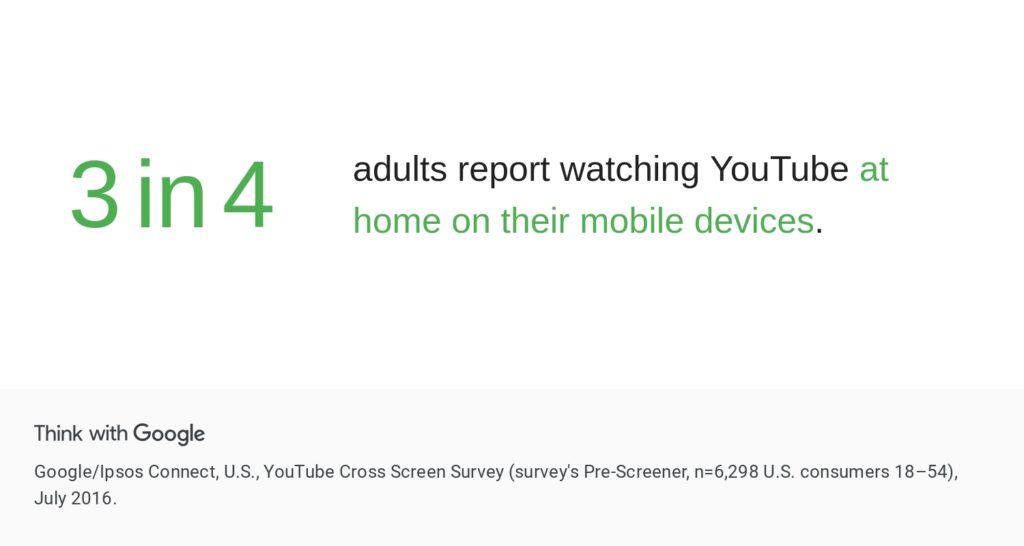 becoming a viable and vital mobile marketing channel.
According to YouTube, 3 in 4 adults report viewing YouTube on a mobile device. With this type of viewership, it's important to know how to optimize your videos so that your viewers get the full impact of your video. Here are some tips:
-
- Get Your Timing Right: Shorter is better when it comes to mobile marketing optimized video. Generally speaking, engagement holds solid for the first two minutes. Once past the two-minute mark, views start to drop off pretty dramatically.
- Message Clarity: Don't try to roll out your latest 10 product improvements in one video. You will lose your audience. Try to keep every one of your videos focused on one topic. It's additionally beneficial to target your video message to your viewers' position in their buying process. You can have videos for people in the top of the funnel awareness stage, people in the mid-funnel research stage, and videos for those in the bottom of the funnel call to action stage.
- Aspect Ration: Remember that screen sizes are different for mobile than for desktops. A full landscape aspect ratio for phones will be 16:9, vertical aspect ratios for phones will. Be 4:5 with a full portrait vertical aspect ratio for phones being 9:16. If you want to play it safe, you can optimize your video for a 1:1 ratio. This will allow it to be viewed in whatever orientation the user prefers.
- Use Captions: Often, people will watch videos without any sound. There are many reasons why, but it's important to accommodate this use. By putting captions into your videos, your viewers will still get your message without needing audio.
Will You Implement Mobile Marketing?
Mobile marketing is a crucial part of your overall digital marketing plan. You can use mobile marketing to reach more potential customers and help people complete purchases.
Be sure you optimize your website and email for smaller screens. Then, you'll be able to get through the stages of change when starting a new marketing strategy.
Are you ready to start using mobile marketing to grow your business? Let's chat!