In the dynamic digital landscape of today's business world, the "Contact Us" page of a website is frequently undervalued and often treated as a mere afterthought in web design. The "Contact Us" page is a pivotal touchpoint in the user experience and a crucial element in driving customer engagement and generating leads.
First and foremost, the "Contact Us" page is a cornerstone of customer service, online. In an era where instant communication is not just appreciated but expected, this page stands as the beacon signaling your availability and willingness to engage with your audience. It's not merely a channel for queries; it's a statement about how you value customer interaction and feedback.
A well-designed contact page reduces barriers to communication, fostering a sense of trust and reliability. For many customers, the ease and efficiency of getting in touch with a company can be the deciding factor in forming a long-term business relationship.
Moreover, from a business perspective, the "Contact Us" page is an invaluable tool in lead generation and conversion rate optimization. Each visitor who reaches out is a potential lead, an opportunity for business growth.
This page can be strategically designed to guide visitors through a seamless journey from initial contact to successful conversion. By optimizing the layout, ensuring accessibility, and providing multiple contact options, you cater to diverse user preferences, thereby maximizing the chances of engagement.
In essence, the Contact Us page is a goldmine for capturing leads, and its optimization should be a key focus for any business looking to thrive in the digital space.
In the following sections of this article, we'll delve into the best practices for designing a Contact Us page that not only meets the basic requirements of functionality but excels in enhancing user experience and boosting business prospects.
Read on to discover how to transform your Contact Us page into a powerhouse of customer engagement and lead generation.
Visibility Is Key
Continuing our exploration of the "Contact Us" page, let's dive into one of its most critical aspects: visibility and accessibility. A well-crafted Contact Us page loses its effectiveness if it's hidden in a website's navigation. The ease with which a user can find this page is a direct reflection of a business’s approach towards customer engagement and accessibility.
The Contact Us page should be a readily accessible resource, not a treasure hidden at the end of a complex maze. Its prominence on your website sends a clear message: you're open to communication and value customer interaction.
Strategies for Enhancing Findability
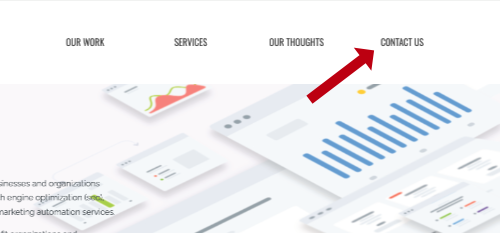 Consistent Navigation: Include a clear link to the Contact Us page in your main navigation menu. This menu usually appears at the top of every page, making access straightforward regardless of where the user is on your site.
Footer Inclusion: Many users instinctively scroll to the bottom of a web page to find contact information. Placing a link to the Contact Us page in the footer ensures visibility across your entire site.
Homepage Visibility: Consider featuring a link or a brief section about contacting your business directly on the homepage. This can be in the form of a call-to-action button or a small contact form, acting as a direct funnel to the full Contact Us page.
Internal Links: Seamlessly integrate links to the Contact Us page within the content of your website, particularly on pages where users are likely to have queries, such as product information or service details pages.
Search Functionality: Ensure that your site's search feature can easily direct users to the Contact Us page when they input relevant queries like 'contact,' 'support,' 'help,' or 'customer service.'
Mobile Accessibility: With the increasing use of mobile devices for internet browsing, ensure that the Contact Us page is just as easily findable on mobile versions of your site, with responsive design elements that cater to smaller screens.
Use of Breadcrumbs: For larger websites, incorporating breadcrumb navigation can help users understand their current location and navigate easily to the Contact Us page.
By prioritizing the findability of your Contact Us page, you are not just enhancing the user's experience; you are also reinforcing the message that your business is transparent, customer-centric, and easy to engage with.
This strategic visibility is integral to nurturing customer relationships and driving conversions, making it an essential consideration in website design and development.
Contact Us Page Elements
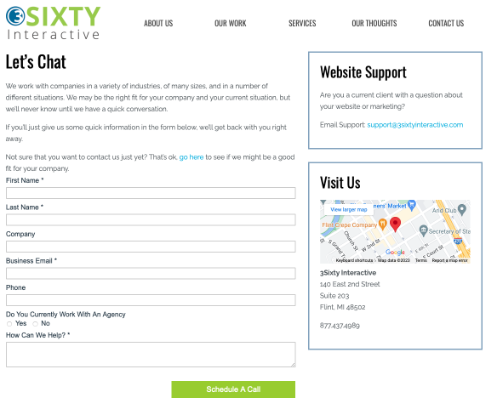 As we look into the essential elements of a Contact Us page, it's important to recognize that diversity in communication methods directly correlates to the effectiveness of customer engagement.
Providing multiple channels of communication caters to varied user preferences and increases the likelihood of successful interactions. Let's explore these methods and the best practices for employing each, along with their associated benefits.
1. Phone Number
Best Practice: Display your phone number prominently, ensuring it's clickable on mobile devices for immediate calling.
Benefits: A phone number provides a direct and personal way of communication. It's ideal for customers seeking immediate answers or those who prefer verbal communication.
2. Address
Best Practice: Include a physical address, along with a map or link to a map service. This is particularly important for businesses with a brick-and-mortar presence.
Benefits: Providing an address enhances trust and transparency. It's crucial for local SEO and beneficial for customers who prefer in-person visits or need to mail something.
3. Live Chat
Best Practice: Integrate a live chat feature that's easily accessible, with clear indications of availability hours.
Benefits: Live chat offers real-time assistance, combining the immediacy of a phone call with the written record of an email. It's less intimidating than a phone call and can increase engagement, especially with younger demographics.
4. Contact Form
Best Practice: Keep the form simple – limit the fields to essentials like name, email, and message. Optionally, include a dropdown to categorize the inquiry.
Benefits: A concise form reduces barriers to completion. It's less daunting and time-consuming, leading to a higher likelihood of users reaching out.
5. General Email Address
Best Practice: Provide a generic email address (like info@yourdomain.com) for those who prefer traditional email communication. Ensure this email is monitored regularly.
Benefits: An email address offers a familiar, non-time-sensitive way of communication. It's preferable for users who wish to have a detailed conversation or need to attach documents.
Incorporating these diverse communication methods on your Contact Us page is more than just about providing options; it's about creating a welcoming digital environment for your audience. Each method has its unique advantages and best practices, and together, they form a comprehensive, user-friendly approach to customer interaction.
This multifaceted strategy not only caters to different user preferences but also reflects a business’s commitment to accessibility and customer satisfaction, ultimately contributing to enhanced user experience and improved conversion rates.
The Design
When discussing the significance of the "Contact Us" page, it's crucial to emphasize not just the content but also the design aspects. A well-designed Contact Us page is a blend of aesthetics, functionality, and inclusivity.
Let's explore the critical design elements that contribute to the effectiveness of this vital page.
1. Clean and Simple Design
Best Practice: Opt for a clean, uncluttered layout. Use whitespace effectively to draw attention to the important elements like contact forms, information, and call-to-action buttons.
Benefits: A clean and simple design minimizes distractions, guiding the user's focus towards the essential elements. It enhances user experience by making the page easy to navigate and understand, which is crucial for users who might already be seeking support or information.
2. Load Times
Best Practice: Optimize images, streamline code, and leverage browser caching to improve page load times. Fast-loading pages are essential for retaining user attention and reducing bounce rates.
Benefits: Speed is a critical component of user experience. A fast-loading Contact Us page ensures that users remain engaged and are more likely to initiate contact. This is particularly important for mobile users who might be on limited bandwidth.
3. Accessibility for All Users
Best Practice: Design with accessibility in mind. This includes using large, readable fonts, ensuring high contrast between text and background, and making the page navigable via keyboard for users with disabilities.
Benefits: An accessible Contact Us page is not just a legal or ethical requirement; it expands your reach to a wider audience, including those with disabilities. It reflects a business's commitment to diversity and inclusivity, enhancing brand perception.
Further Considerations:
Responsive Design: The Contact Us page must be responsive, meaning it should display and function well across a variety of devices, from desktops to smartphones. This ensures a seamless experience regardless of how users access your site.
Visual Hierarchy: Employ a clear visual hierarchy to guide users through the page. Use size, color, and placement to highlight the most important elements, such as the form or contact details.
Consistent Branding: The page should reflect your brand’s style and tone. Consistency in design elements like color scheme, font style, and imagery reinforces brand recognition and trust.
Interactive Elements: Consider subtle animations or interactive elements (like hover effects on buttons) to make the page more engaging without overloading it. However, these should not detract from the page’s functionality or accessibility.
Testing and Feedback: Regularly test your Contact Us page on different devices and browsers. Gather user feedback to make continual improvements.
The design of your Contact Us page should not be an afterthought; it is a vital component of your online presence and customer service strategy. By focusing on a clean design, swift load times, and universal accessibility, you ensure that this crucial page serves its purpose effectively, providing a welcoming and user-friendly experience for every visitor to your site.
Saying Thank You
When it comes to crafting a seamless and engaging online experience, the journey doesn't end with the user submitting a form on your Contact Us page.
The subsequent "Thank You" page plays a crucial role in this journey, often overlooked yet pivotal in maintaining the momentum of user engagement and capitalizing on the opportunities presented by a user's demonstrated interest.
Let's explore the significance of a well-designed Thank You page and the best practices for maximizing its impact.
The Importance of a Well-Designed Thank You Page
1. Positive User Experience: A Thank You page is an excellent opportunity to leave users with a positive impression. It acknowledges their effort in reaching out and sets the tone for future interactions.
2. Confirmation of Submission: It serves as an important confirmation that their message or inquiry has been successfully received, alleviating any uncertainty or anxiety about whether the form submission worked.
3. Further Engagement Opportunities: This page is a strategic spot to encourage further engagement with your brand, be it through links to blog posts, newsletter sign-up prompts, or showcasing your social media profiles.
4. Lead Nurturing: For businesses, it's a prime space to guide potential leads to the next stages of their journey, like offering a free trial, a downloadable resource, or a special discount code as a thank you for reaching out.
Best Practices for Thank You Pages
1. Clear Confirmation Message: Start with a clear and friendly confirmation message that thanks the user and confirms their action (e.g., "Thank you for contacting us! We've received your message and will be in touch soon.").
2. Expected Timeline: Provide an estimated timeline for when they can expect a response. This sets realistic expectations and helps in maintaining trust.
3. Encourage Further Exploration: Include links to other relevant areas of your site. This could be your blog, product pages, case studies, or FAQ section. Guide users to continue their journey on your site.
4. Incorporate Calls-to-Action (CTAs): Use CTAs to encourage further actions, such as signing up for a newsletter, following your social media, or checking out a recent blog post. Make these CTAs relevant and valuable.
5. Track Conversions: Implement tracking on your Thank You page. This helps in measuring the effectiveness of your Contact Us page and understanding user behavior post-submission.
6. Keep the Design Consistent: Ensure the design of your Thank You page is consistent with the rest of your website. This reinforces brand identity and maintains a cohesive user experience.
7. Feedback Opportunity: Consider including a short survey or a feedback option on the Thank You page. This can provide valuable insights into user experience and areas for improvement.
8. Mobile Optimization: Ensure the Thank You page is optimized for mobile devices, providing a smooth experience for users on any device.
The Thank You page is more than just a polite gesture; it's an integral part of the communication process and user journey on your website. By adhering to these best practices, you can transform your Thank You page from a mere formality into a powerful tool for enhancing user experience, nurturing leads, and building lasting relationships with your audience.
Conclusion
In conclusion, the "Contact Us" page is much more than a mere functional necessity; it is a vital component of your website's overall strategy and user experience. By implementing the best practices we've discussed, you transform this often-overlooked page into a powerful tool that not only facilitates communication but also strengthens your brand, builds trust, and drives engagement. From ensuring the page is easy to find to employing a variety of communication methods, each element plays a significant role in optimizing this crucial point of contact with your audience.
Remember, the goal is to make the process of reaching out as seamless and pleasant as possible. Whether it's through a well-designed form, diverse contact options, or a reassuring Thank You page, every aspect should be tailored to meet the needs and preferences of your visitors. In doing so, you not only improve the chances of conversion but also demonstrate a commitment to customer service and satisfaction, which can have a lasting impact on your business's reputation and success.
As we navigate the ever-evolving landscape of digital communication, the importance of a well-crafted Contact Us page cannot be overstated. It's an opportunity to connect, engage, and convert, and with these insights and strategies, you're well-equipped to create a page that not only meets but exceeds the expectations of your users. Embrace these principles, and watch as your Contact Us page receives more engagement and becomes a cornerstone of your online presence.